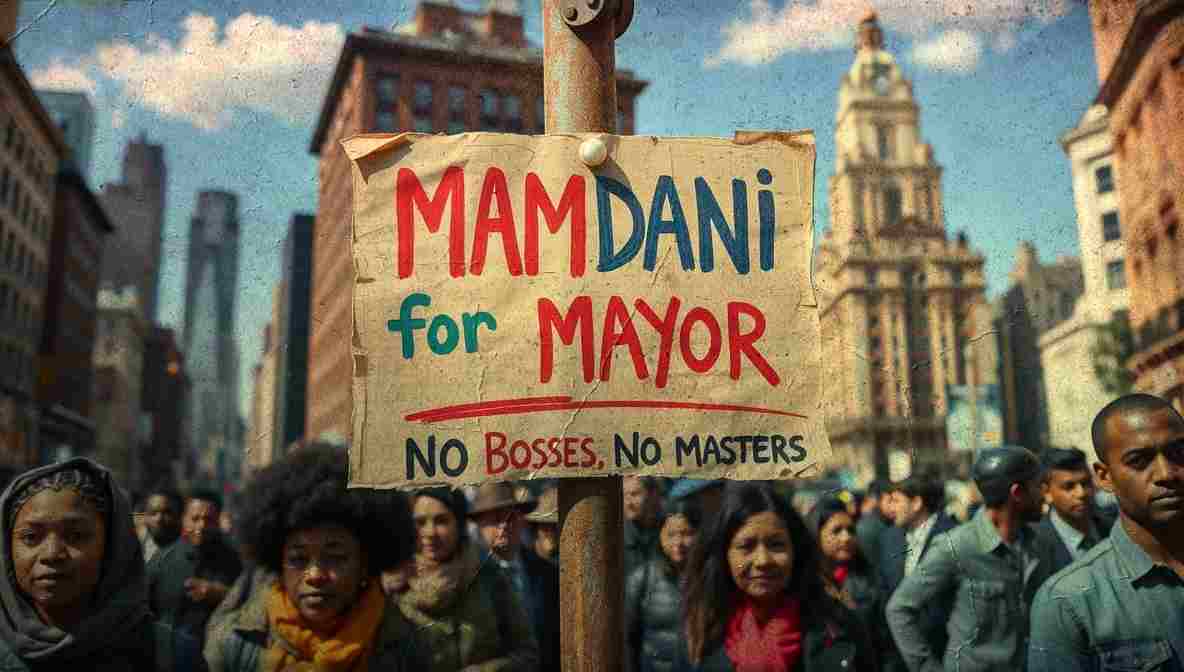
Led by allies like AOC, Jeffries, and Letitia James, Mamdani’s 100-plus elected official advisory body signals broad progressive support — and highlights continued intra-party tensions.
Mayor-elect Zohran Mamdani’s announcement of an Elected Advisory Committee — composed of more than 100 elected officials from city to state levels — has been received by progressives as a hopeful blueprint for collective governance. With names like Rep. Alexandria Ocasio-Cortez, House Minority Leader Hakeem Jeffries, Attorney General Letitia James, and Gov. Kathy Hochul on the roster, the committee reflects a true coalition spanning city, state, and federal leaders who can help Mamdani implement his affordability and equity-focused agenda. City & State NY and Spectrum News NY1
But the formation of this group has also sparked valid questions about representation and intra-party dynamics. Notably absent from the advisory body are several high-profile Democratic figures who did not endorse Mamdani during the election — including Senate Minority Leader Chuck Schumer, Sen. Kirsten Gillibrand, Rep. Dan Goldman, and incoming NYC Council Speaker Julie Menin — raising concerns among some observers that the committee’s composition may lean too narrowly toward those who supported Mamdani’s campaign rather than all sectors of the Democratic coalition. Critics argue that this could complicate efforts to negotiate policy wins in a city as diverse and politically varied as New York. AOL News and City & State NY
Supporters in the progressive base, meanwhile, emphasise that many of the committee’s members have track records on issues like tenant protections, healthcare access, and labor rights — priorities central to Mamdani’s campaign. They see the advisory body as a mechanism for translating grassroots energy into legislative influence, especially in Albany and Washington, DC, where cross-governmental cooperation will be crucial for addressing systemic issues like housing affordability and public transit funding. Ultimately, how this committee operationalises its influence — beyond symbolic alignment — will be a key test of Mamdani’s promise to center working-class needs in City Hall’s policymaking.